Keep Your Car Running Smarter
Most drivers think about fuel costs in terms of pump prices and MPG figures. But the condition of your car has a bigger effect on what you actually spend than most people realise. Under-inflated tyres, old engine oil, and a boot full of clutter can quietly add hundreds of pounds to your annual fuel bill — on top of the breakdown risk of neglected maintenance.
This guide covers the key things worth keeping on top of, what each one actually does to your fuel economy, and how often you need to act.
Click on your car to find out more
Tap any highlighted point on the car below to see how that part affects your fuel economy and what to watch out for.
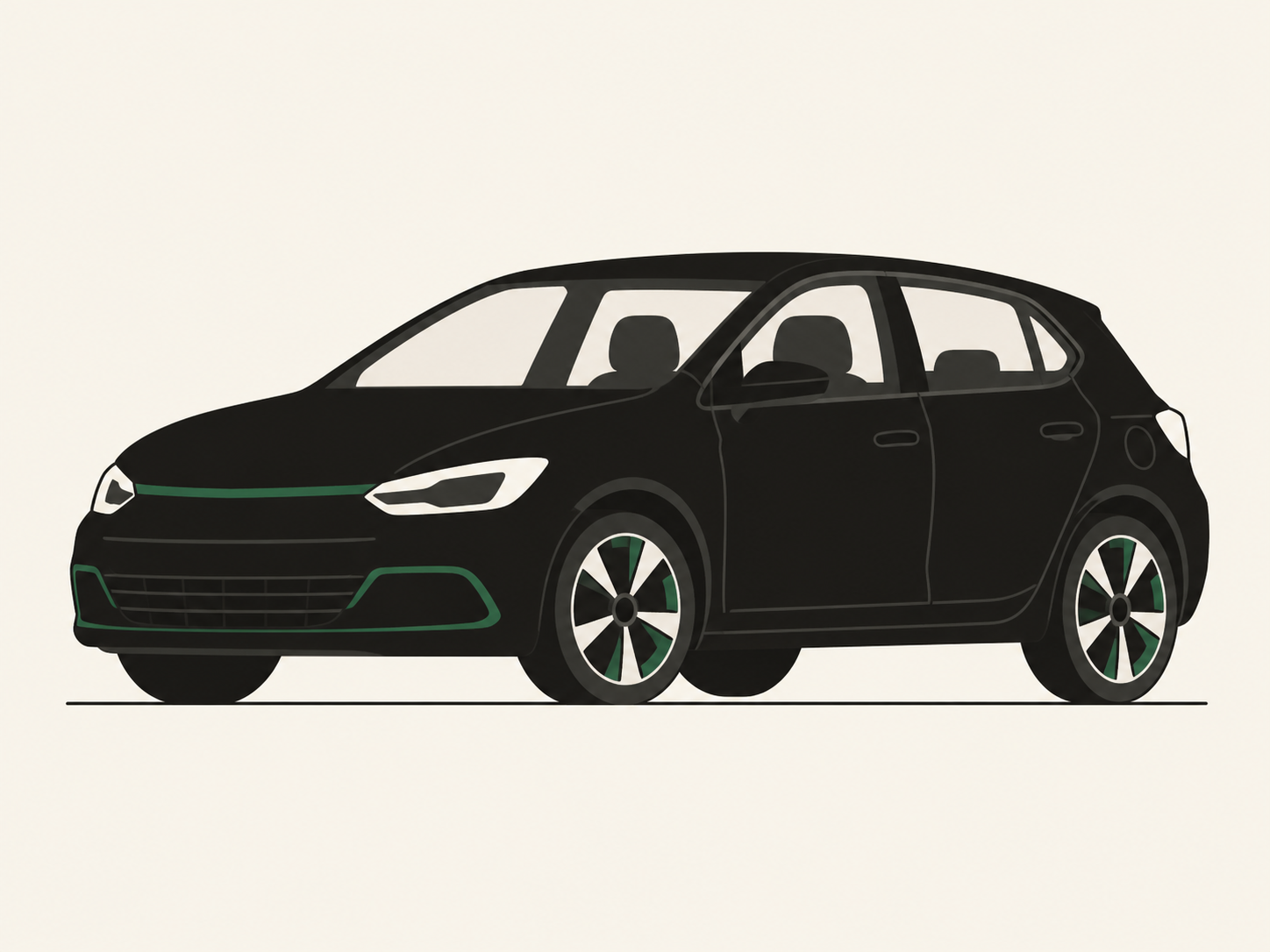
Tap a point on the car to get started
The numbers — what maintenance actually costs you
Under the bonnet
🛢️ Engine oil
Engine oil lubricates every moving part inside your engine. As it ages it becomes thicker and less effective — meaning more friction, more heat, and more fuel used to do the same work. Old oil also leaves deposits that can reduce engine efficiency over time.
Most modern cars need an oil change every 12 months or 10,000–12,000 miles, whichever comes first. Check your owner's manual for the recommended oil grade — using the wrong viscosity can reduce efficiency even with fresh oil.
Warning sign: If your oil warning light comes on, don't ignore it. Running an engine low on oil can cause catastrophic damage costing thousands of pounds — far more than the cost of any service.
🔩 Spark plugs
Spark plugs ignite the fuel-air mixture in each cylinder. When they wear out, ignition becomes inconsistent — causing misfires, rough idling, and noticeably higher fuel consumption. Standard spark plugs typically last 30,000 miles; iridium or platinum plugs can last 60,000–100,000 miles.
🌬️ Air filter
On modern fuel-injected cars, a dirty air filter has minimal effect on fuel economy — the engine's computer automatically adjusts the fuel mixture to compensate. What it does affect is acceleration (by 6–11% in tested conditions) and engine protection. Replace every 12,000–15,000 miles to keep your engine breathing cleanly.
Tyres and brakes
🔵 Tyre pressure
This is the single most impactful maintenance item for fuel economy. Tyres at 75% of their recommended pressure cut fuel economy by about 2–3%. At 50% of recommended pressure the loss reaches 5–10%. The reason is simple: under-inflated tyres have more contact with the road and create more rolling resistance, meaning your engine works harder for every mile.
Tyres naturally lose around 1–2 PSI per month, so checking monthly is a genuinely useful habit. You'll find the recommended pressure on a sticker inside the driver's door frame or in your owner's manual — not on the tyre itself, which shows the maximum pressure.
💡 Quick tyre pressure check
🛑 Brakes
Brakes aren't a fuel economy story — they're a safety and cost story. As brake pads wear down, your stopping distance increases, raising the risk of accidents in emergencies. Severely worn pads cause metal-on-metal contact that damages the brake discs, turning a straightforward pad replacement (typically £100–£200 per axle) into a disc-and-pad job (typically £250–£400+).
Listen for high-pitched squealing when you brake — that's the wear indicator built into most pads, designed to alert you before they're dangerously thin. Grinding means they've already worn through and the discs are being damaged. Get them checked immediately.
What's in your boot
Every extra 100lbs (about 45kg) carried in your car reduces fuel economy by roughly 1%. On its own that's modest — but many drivers carry significantly more than they realise. A set of golf clubs, a pushchair, tool kits, gym bags, and general accumulated clutter can easily add 80–100kg to a car, reducing fuel economy by 2% or more permanently.
The fix is simple: clear out anything you don't need for a given journey. Roof boxes and bike racks deserve special attention — even when empty, they add significant aerodynamic drag that can cost 10–25% more fuel at motorway speeds. Remove them when not in use.
Fuel level
Running a full tank versus a quarter tank only adds about 30–45kg to the car, so the fuel economy effect of driving around full versus nearly empty is genuinely marginal — a fraction of a percent. The idea that you should drive on a near-empty tank to save weight isn't worth the trade-off.
The better reason to keep at least a quarter to half a tank is practical: it protects against running dry unexpectedly, and over time, consistently running very low can draw sediment from the bottom of the fuel tank into your fuel system, which can cause expensive filter and injector issues.